
Understanding the Role of Tankers and Bunkers in Global Shipping
The Maritime Energy Chain — Tankers and Bunkers Explained
In today’s maritime and oil logistics industry, two terms often appear together: tanker and bunker.
Both are essential in the movement and supply of marine fuels yet they represent two completely different functions within global shipping.
Understanding the distinction between them is critical for anyone involved in shipping operations, marine fuel trading, and port logistics, especially in key regional hubs like Port Said, Suez, and Alexandria where Karimar Marine Services operates.
What Is a Tanker?
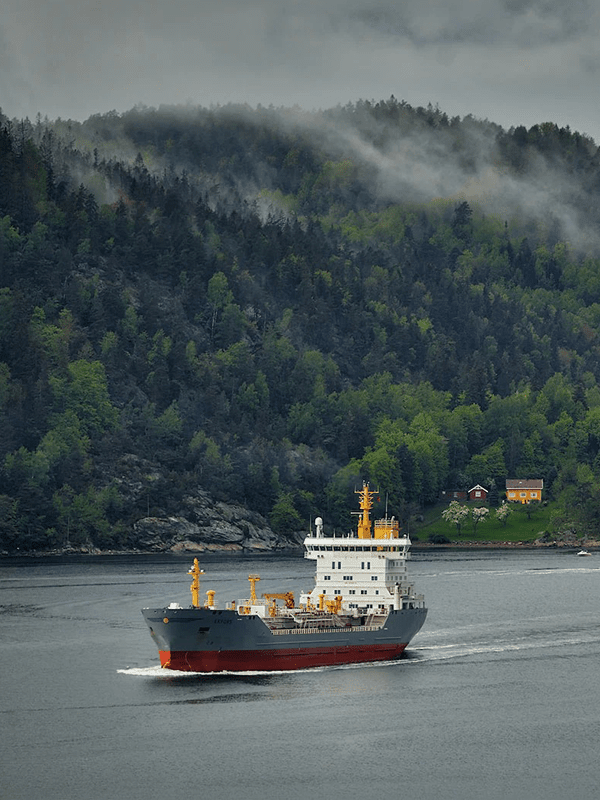
A tanker is a large ship built to carry liquid cargo across oceans and trade routes. This cargo may include:
- Crude oil transported from production fields to refineries
- Refined petroleum products such as diesel, gasoline, or jet fuel
- Chemicals and liquefied gases (LNG, LPG) used in industrial production
Tankers are equipped with multiple storage tanks, advanced pumping systems, and specialized safety controls that allow secure loading, transport, and discharge operations.
In short, a tanker’s purpose is to move large volumes of liquid cargo between ports, connecting producers and consumers across continents.
For instance, a crude oil tanker may transport oil from the Arabian Gulf to refineries in Europe or Asia forming part of the global energy transportation network.
What Is a Bunker?
While tankers carry cargo, bunkers refer to the fuel that powers ships themselves.
In maritime operations, bunkering means supplying marine fuel to vessels, either while docked in port or at anchorage via bunker barges or tankers.
This bunker fuel powers a vessel’s main engines and onboard generators keeping ships moving and systems running.
Common marine fuels include:
- Heavy Fuel Oil (HFO)
- Marine Gas Oil (MGO)
- Low-Sulfur Fuel Oil (LSFO) compliant with IMO 2020 environmental regulations
So while tankers deliver energy as cargo, bunkering focuses on delivering that energy directly to ships, enabling their continued operations.
The Key Difference Between Tankers and Bunkers
Although both deal with marine fuel, their purposes are entirely different:
- Tankers are used to transport large quantities of liquid cargo such as oil or chemicals.
- Bunkers represent the fuel consumed by vessels for propulsion and onboard power.
In simple terms:
Tankers move energy across the world, while bunkers supply energy to ships at the final stage of the logistics chain.
How They Work Together
Tankers and bunkers may serve different functions, but they are interconnected within the maritime supply chain.
- Tankers deliver refined petroleum products or fuel oil to a port’s storage facilities.
- Bunker suppliers such as Karimar Marine Services then transfer that fuel to ships using bunker barges or tank trucks.
- This ensures vessels are refueled safely and efficiently before continuing their voyage.
Through this connection, tankers enable global fuel movement, while bunkering ensures operational continuity for vessels worldwide.
Why This Distinction Matters in Marine Operations
Recognizing the difference between tankers and bunkers helps improve safety, efficiency, and compliance within marine operations.
Here’s why it’s important for various sectors:
- For Port Authorities:
It ensures organized and compliant refueling activities at busy ports. - For Ship Operators and Masters:
It helps in managing fuel quality, cost efficiency, and regulatory compliance under IMO and MARPOL standards. - For Energy Traders and Logistics Providers:
It distinguishes fuel supply operations (tankers) from fuel consumption processes (bunkering) ensuring clearer coordination.
Understanding this distinction ultimately supports smoother maritime operations, better fuel management, and stronger environmental responsibility.
Conclusion
While tankers and bunkers share a link through marine fuels, their functions are distinct yet complementary.
Tankers transport energy, while bunkers power the vessels that carry global trade forward.
Through its experience and presence in Egypt’s major ports, Karimar Marine Services ensures reliable, compliant, and efficient support at every stage of the fuel logistics chain from tanker coordination to bunker delivery.